
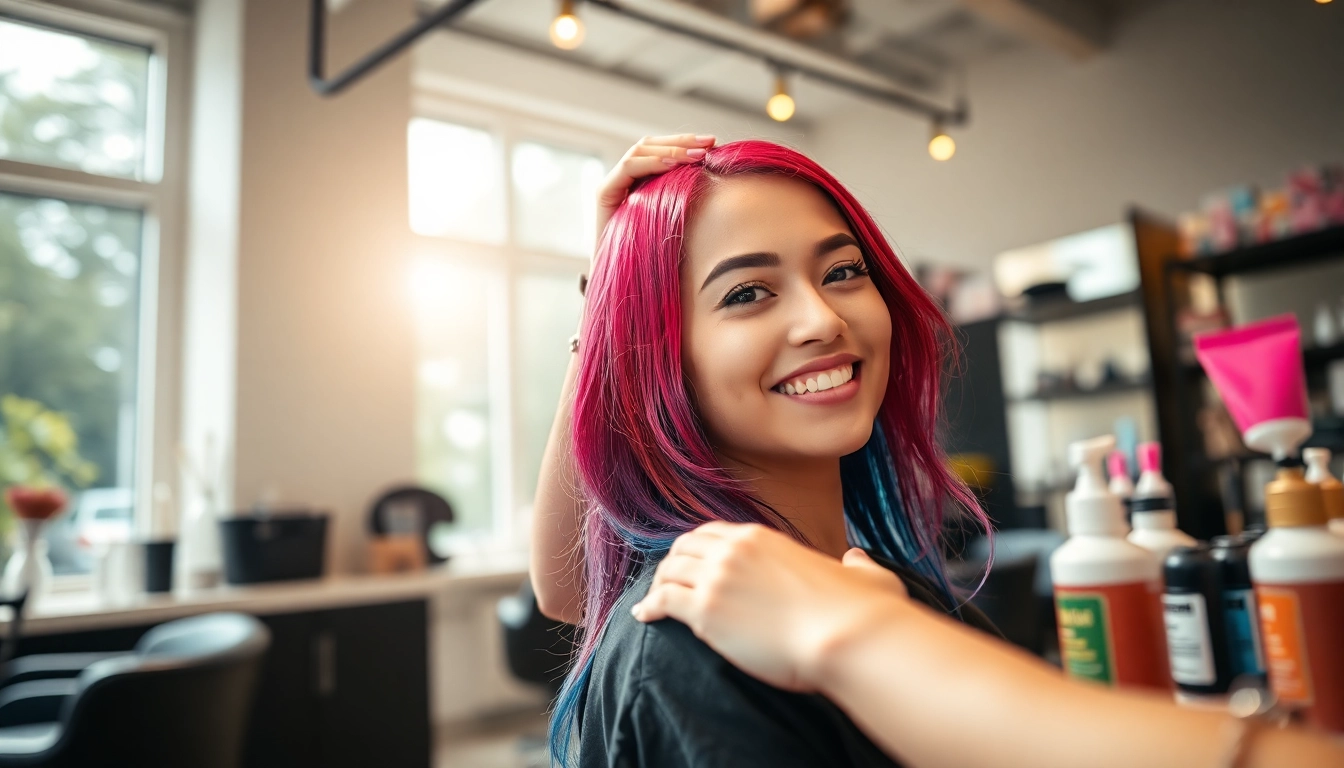
Understanding Haarfarbe Friseur: The Basics of Hair Coloring
In the world of hairstyling, Haarfarbe Friseur plays a pivotal role in transforming a client’s look and enhancing their confidence. Understanding the fundamental aspects of hair coloring is essential for both aspiring stylists and seasoned professionals. This article delves into the significance of hair color in salons, the different types of hair colors available, and the benefits of opting for professional hair coloring services. When exploring options, Haarfarbe Friseur offers comprehensive insights into the latest trends and techniques.
1. Definition and Importance of Hair Color in Salons
Hair color is more than just a cosmetic enhancement; it's a form of self-expression. For many clients, changing their hair color can signify a fresh start or a bold statement. Salons provide a professional environment where trained stylists can help guide clients through this transformative journey, ensuring that the chosen color aligns with their personality and lifestyle. The importance of hair color extends beyond aesthetics; it influences a client's mood, boosts their confidence, and can even impact their social interactions.
2. Different Types of Hair Colors Available
In the realm of Haarfarbe Friseur, various types of hair colors cater to different preferences and needs:
- Permanent Hair Color: This offers long-lasting results, often containing ammonia and peroxide to lift the natural pigment. Best for those looking for a dramatic change.
- Semi-Permanent Hair Color: A less harsh option that gradually fades over time, ideal for those experimenting with color or wanting to enhance their natural shade.
- Demi-Permanent Hair Color: This option provides a balance between permanent and semi-permanent colors, lasting around 24 washes.
- Highlights and Low-Light Techniques: Adding dimension to hair, highlights lighten sections of hair, while low-lights provide depth to darker hair.
- Toners: Used to neutralize unwanted tones in dyed hair, enhancing the overall color.
3. Key Benefits of Professional Hair Coloring Services
Professional hair coloring services offer numerous advantages that DIY methods often cannot match:
- Expertise: Licensed professionals possess the training and experience to ensure hair is colored safely and effectively.
- Customized Solutions: Stylists assess a client's hair type, skin tone, and personal preferences to create a tailored hair color that complements their features.
- Quality Products: Salons utilize high-quality, often exclusive products that nourish the hair, resulting in healthier, shinier results.
- Techniques: Professionals employ advanced techniques to achieve flawless results, minimizing the risk of damage and uneven color.
Choosing the Right Hair Color for Your Clients
Identifying the perfect hair color for clients is a challenge that requires careful consideration. A variety of factors must be taken into account to achieve the most flattering and suitable outcome.
1. Factors to Consider: Skin Tone, Hair Type, and Lifestyle
Understanding a client's unique characteristics is paramount when selecting a hair color. Skin tone is one of the primary considerations: warm skin tones typically pair well with golden blondes and rich browns, while cool tones can carry ash-blond and deep burgundy shades effectively. Hair type can also dictate the choice of color, as fine hair may look best with lighter shades to create the illusion of volume, while coarser hair may hold darker colors more vibrantly. Lifestyle factors, such as maintenance preferences and professional environments, also guide the decision-making process.
2. Trending Colors for 2026: What Clients Are Asking For
As we move into 2026, several hair color trends are emerging, drawing inspiration from nature, art, and cultural influences:
- Warm Balayage: This technique combines various shades for a sun-kissed effect, with warm hues being particularly popular.
- Pastel Colors: Soft pastel shades, like lavender and mint, continue to capture the hearts of clients seeking a fun, whimsical look.
- Rich, Deep Colors: Colors such as deep auburn and emerald green are trending, appealing to those desiring a bold change.
- Natural Shades: A significant pivot towards more earth-toned hues reflects a growing desire for authenticity in self-presentation.
3. Common Mistakes to Avoid When Suggesting Colors
While suggesting hair colors, some common pitfalls stylists should be mindful of include:
- Neglecting to consider the client's maintenance commitment, leading to dissatisfaction.
- Overlooking the importance of hair condition before applying chemical treatments.
- Failing to communicate the potential outcomes and maintenance needs clearly.
Techniques and Products for Effective Haarfarbe Friseur Services
The realm of hair coloring is continually evolving, with new techniques and products constantly emerging. Staying informed about these advancements is crucial for maintaining a competitive edge in the industry.
1. The Latest Hair Coloring Techniques Used by Professionals
Some of the most popular hair coloring techniques embraced by professionals include:
- Balayage: A freehand technique that creates a natural, sun-kissed look.
- Ombre: A gradient effect that transitions from a darker color at the roots to a lighter color at the ends.
- Foil Highlights: This classic technique involves wrapping sections of hair in foil to achieve precise highlights.
- Color Melting: A blending technique that combines several shades to create a seamless transition of color.
2. Overview of Popular Hair Color Brands and Their Products
Reputable brands offer a wide range of products tailored to different hair types and coloring needs. Some notable mentions include:
- Wella Professionals: Known for innovative products that cater to both professional salons and home users.
- Schwarzkopf: Offers a comprehensive portfolio of colors that are ammonia-free and designed for a healthier application.
- Redken: Focuses on high-performance professional hair color that nourishes while providing stunning results.
- L'Oréal Professionnel: Offers an extensive range of colors and treatments, ensuring that every client leaves satisfied.
3. Tips for Mixing and Applying Hair Color for Best Results
Achieving the best results in hair coloring involves finesse and knowledge. Here are some key tips:
- Always conduct a patch test to avoid allergic reactions.
- Use the right developer strength for the specific hair color being applied.
- Mix colors thoughtfully to achieve the desired shade, and document the mixtures for consistency in future applications.
- Apply color evenly and in sections to ensure thorough coverage and prevent patchiness.
Client Consultation: Building Trust Through Expertise
Building a trusting relationship with clients is a cornerstone of successful hairstyling. Effective consultations can significantly enhance the client’s experience and help achieve their desired look.
1. Conducting Effective Consultations to Assess Client Needs
During consultations, stylists should focus on open communication, asking clients about their previous color experiences and desired outcomes. This dialogue allows for better understanding and helps in setting realistic expectations.
2. Educating Clients About Hair Color Options and Maintenance
Clients benefit from guidance regarding the different hair color options available and their corresponding maintenance needs. Providing detailed information about aftercare products and routines instills confidence and leads to happier clients.
3. Dealing with Client Concerns and Expectations
Addressing client concerns is essential for maintaining trust. Stylists should be prepared to discuss potential results and any issues that may arise during the coloring process. Transparency fosters a supportive environment that encourages clients to express their worries.
Looking Ahead: Future Trends in Haarfarbe Friseur
The hair coloring industry is constantly evolving. Keeping an eye on future trends is vital for stylists aiming to stay ahead of the curve.
1. Innovations in Hair Coloring Technology and Products
Advancements in technology are driving innovations in hair color products, focusing on healthier formulations that provide vibrant results without damaging hair. Brands are increasingly employing organic and vegan ingredients to cater to eco-conscious clients.
2. Emerging Color Trends for 2026 and Beyond
As we look toward the future, emerging color trends are likely to emphasize personalization. Clients will increasingly seek unique blends and shades that reflect their individuality rather than mainstream trends.
3. The Role of Sustainability in Hair Color Choices
There is a growing movement toward sustainability within the beauty industry. Clients are becoming more conscious of the environmental impact of their beauty choices. Salons that offer eco-friendly products and practices will likely appeal to this demographic.