
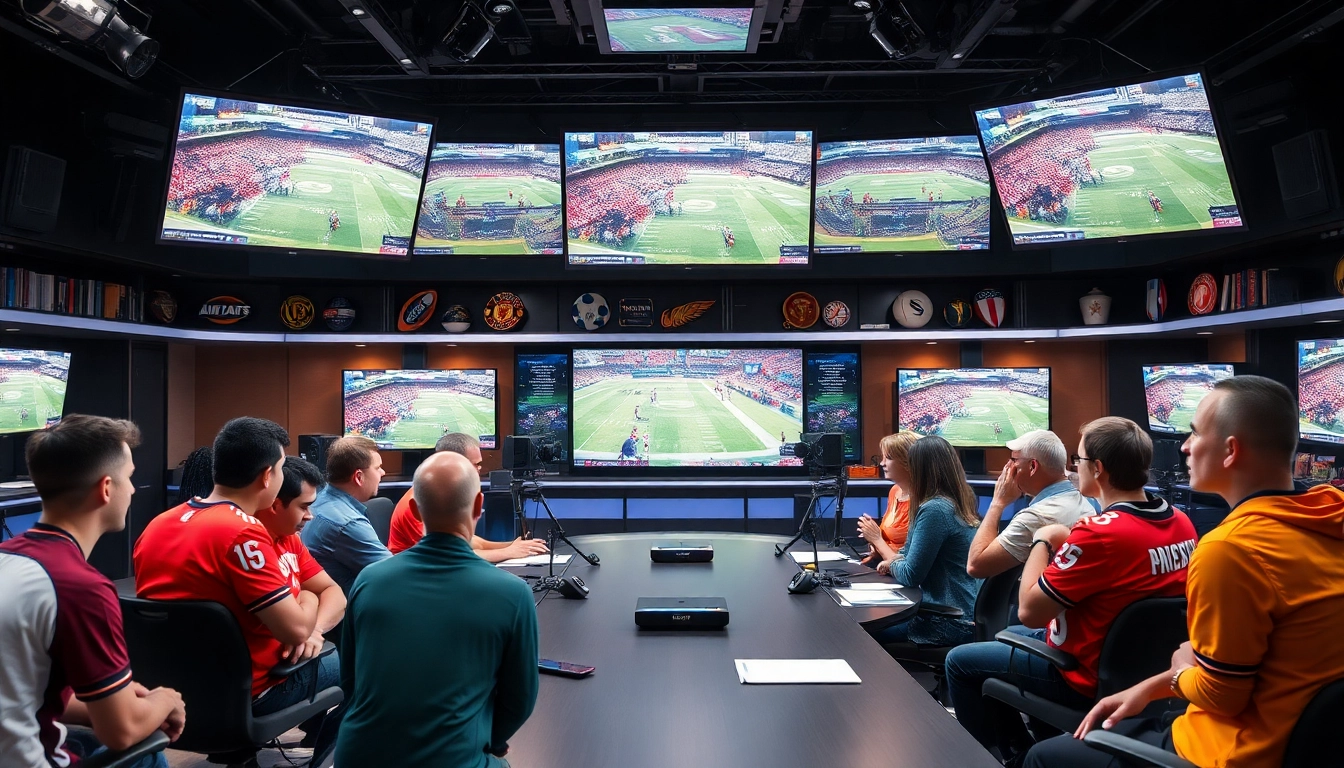
Understanding Sports Broadcasting
What is Sports Broadcasting?
Sports broadcasting is a specialized sector of media focused on delivering live and recorded sports events to audiences through radio, television, and internet platforms. This multifaceted field encompasses various formats, including play-by-play descriptions, expert commentary, analyses, and even post-match highlights. With the surge in demand for accessible and diverse coverage of sporting events, Sports Broadcasting has evolved into a significant component of the media landscape, shaping how fans experience their favorite sports.
The Evolution of Sports Broadcasting
Initially, sports broadcasting started with radio transmissions in the early 20th century, bringing sports events directly into the homes of listeners. The transition to television in the mid-20th century marked a revolution; viewers could now visually engage with their favorite teams and players. Over time, advancements in technology, such as satellite broadcasts and digital streaming platforms, have expanded the reach and accessibility of sports content. The introduction of online streaming has also opened up new avenues for viewership, allowing fans to watch events anywhere, anytime.
Key Components of Sports Broadcasting
The sports broadcasting ecosystem includes various elements that contribute to the overall production and delivery of events. Key components include:
- Production Teams: Comprising producers, directors, and technical staff, these teams ensure high-quality broadcasts.
- Commentators: Providing engaging narration and insights during events, commentators enhance the viewing experience.
- Camera and Sound Equipment: Essential for capturing high-definition visuals and delivering clear audio, advanced technology improves the overall quality of sports broadcasts.
- Viewing Platforms: Diverse platform options - from traditional cable to digital apps - cater to varied audience preferences.
Importance of Sports Broadcasting in Today’s Media
Impact on Audience Engagement
In the current media environment, the role of sports broadcasting extends beyond merely showing events. It fosters community engagement, enhances fan loyalty, and drives interactive experiences. Fans today demand real-time updates, behind-the-scenes content, and social media interactivity. The ability of broadcasters to meet these expectations significantly impacts audience engagement and retention.
Revenue Streams in Sports Broadcasting
Sports broadcasting has become a significant revenue generator through various streams, including:
- Advertising: Advertisements during live broadcasts are a major source of income, targeting specific demographics.
- Sponsorships: Brands often sponsor teams or events, creating visibility and enhancing the audience's experience.
- Subscription Models: Streaming services increasingly employ subscription-based access for exclusive content, allowing for predictable revenue.
- Merchandising: Links to merchandising within broadcasts can drive additional sales and revenue for teams and leagues.
Trends Shaping the Industry
Several emerging trends are significantly altering the sports broadcasting landscape, including:
- Digital Transformation: As viewers migrate online, traditional broadcasters are adapting by creating digital channels and mobile applications.
- Augmented and Virtual Reality: These technologies provide immersive experiences, revolutionizing how fans interact with sports content.
- Data Analytics: Enhanced analytics are informing broadcasting strategies, allowing tailored content that resonates with audiences.
Technical Aspects of Sports Broadcasting
Essential Broadcasting Equipment
Technical proficiency is crucial for successful sports broadcasting. Essential equipment includes:
- Cameras: High-definition cameras offer sharp visuals, with multiple angles enhancing viewer experience.
- Audio Equipment: Microphones and sound mixing tools are necessary for clear commentary and crowd interaction.
- Editing Software: Post-production tools are critical for creating highlights, replays, and promotional content.
- Broadcast Trucks: These mobile units enable on-location broadcasts, equipped with all necessary technology for a seamless production.
Understanding Broadcast Signals
Broadcast signals form the backbone of sports broadcasting, determining how content reaches the audience. Analog and digital broadcasting methods convey audio and video signals through various transmission technologies. The transition to digital has allowed for improved signal quality, greater programming options, and enhanced interactivity. Understanding these signals is vital for ensuring viewers receive high-quality broadcasts without interruptions.
Streaming Technologies and Their Impact
Streaming technology has revolutionized how sports content is delivered. Key aspects include:
- On-Demand Access: Viewers can watch events they missed, promoting flexibility in viewing experiences.
- Live Streaming: Real-time broadcasts across devices enhance engagement, especially for younger audiences.
- Quality & Reliability: Improved internet infrastructure and encoding technologies have enhanced streaming reliability, making it a viable alternative to traditional broadcasting.
Best Practices for Effective Sports Broadcasting
Creating Engaging Content
High-quality content is crucial for maintaining viewer engagement. Broadcast teams should ensure a mix of analysis, commentary, and fan interactions to create a compelling narrative. Storytelling techniques can help personalize the experience, making it relatable and memorable. Live interviews with players and coaches, alongside fan polls and social media integration, enrich the broadcast experience.
Building a Responsive Audience
Establishing a responsive audience involves creating a two-way dialogue between broadcasters and viewers. Engaging with fans through social media channels, utilizing feedback for content improvements, and creating tailored promotions can help build loyalty. Regularly analyzing audience metrics ensures a broadcasting strategy that aligns with viewer preferences.
Measuring Broadcast Success
Success metrics for sports broadcasts typically include viewership numbers, audience retention rates, and social media engagement. Tools like audience tracking software enable broadcasters to analyze performance and refine content strategies. Additionally, soliciting direct feedback from viewers can provide insights into how to enhance future broadcasts.
Future of Sports Broadcasting
Emerging Technologies and Their Role
Emerging technologies, such as AI and machine learning, are poised to further shape the landscape of sports broadcasting. Automation in production processes can streamline operations while personalized content delivery makes broadcasts more appealing. Moreover, blockchain Technology offers possibilities for secure transactions and authenticating ticket sales, benefiting both broadcasters and consumers.
Changing Consumer Preferences
Today’s consumers prioritize flexibility, favoring mobile and on-the-go viewing options over traditional setups. As preference shifts toward interactive experiences, broadcasters must adapt by incorporating more viewer-driven features like real-time stats and customizable viewing formats. Emphasizing accessibility will be key in catering to an increasingly diverse audience.
Preparing for the Future in Sports Broadcasting
To prepare for future transformations in sports broadcasting, organizations should invest in research and development to stay ahead of technological advancements and consumer trends. Developing partnerships with tech firms can foster innovation, while training staff in new technologies ensures that broadcasting companies remain competitive and relevant in this rapidly evolving industry.
Frequently Asked Questions
What is the primary role of sports broadcasters?
The primary role of sports broadcasters is to deliver live or recorded sports events to fans, enhancing the viewing experience with commentary, analysis, and coverage of key moments.
How has technology impacted sports broadcasting?
Technology has revolutionized sports broadcasting by enabling high-definition broadcasts, live streaming, interactive content, and enhancing viewer engagement through social media and analytics.
What are the main challenges in sports broadcasting?
Challenges include maintaining viewer engagement, adapting to changing consumer preferences, and navigating various broadcasting regulations, especially in a digital landscape.
How do broadcasters measure audience engagement?
Broadcasters measure audience engagement through analytics tools, tracking viewership numbers, audience retention, social media interactions, and direct viewer feedback.
What is the future of sports broadcasting?
The future of sports broadcasting may include advancements in AI and VR technologies, more personalized content, and increased interactivity for audiences, especially through mobile platforms.